

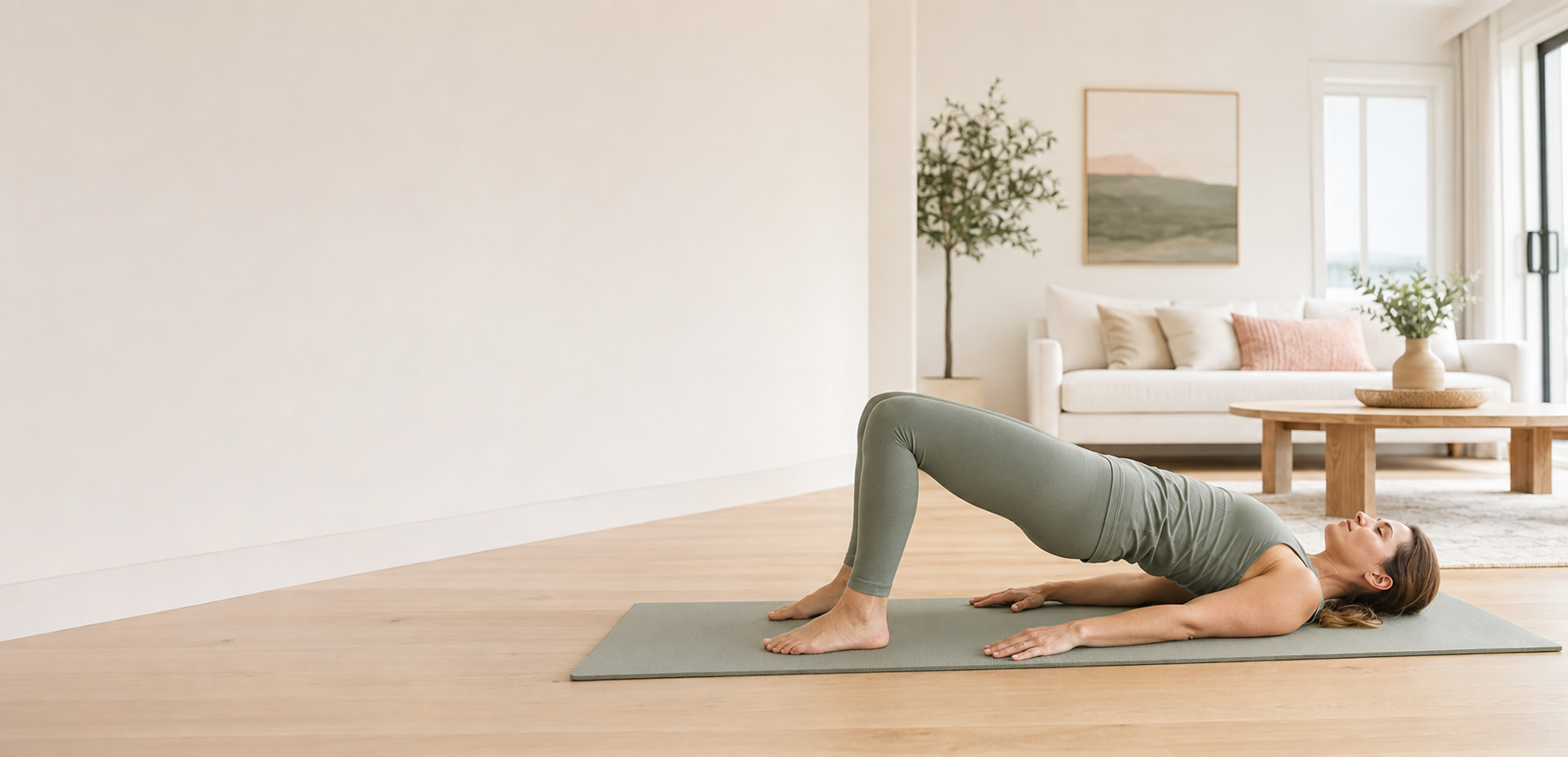
Pelvic Floor Exercises for Women and Men
Learn how strengthening, relaxation, breathing, and movement exercises can improve pelvic floor function. The Healthy Pelvis provides personalized, in-home pelvic floor physical therapy in Elmhurst and nearby western suburbs.
Pelvic Floor Exercises Are Not One-Size-Fits-All
Pelvic floor exercises can help improve bladder control, bowel function, pelvic support, sexual health, recovery after childbirth, and recovery after prostate surgery. However, the right exercises depend on how your pelvic floor muscles are functioning.
Some people benefit from pelvic floor strengthening exercises, while others need relaxation, mobility, endurance, or improved coordination. Performing too many Kegels—or doing them incorrectly—may increase tension, pain, urgency, or difficulty emptying the bladder or bowels.
A pelvic floor physical therapy evaluation identifies what your body needs and allows exercises to be personalized to your symptoms, abilities, and goals.
3 Foundational Pelvic Floor Exercises
These foundational pelvic floor exercises help develop breathing, muscle awareness, strength, and coordination. The right technique and exercise progression will depend on your symptoms and how your pelvic floor is functioning.
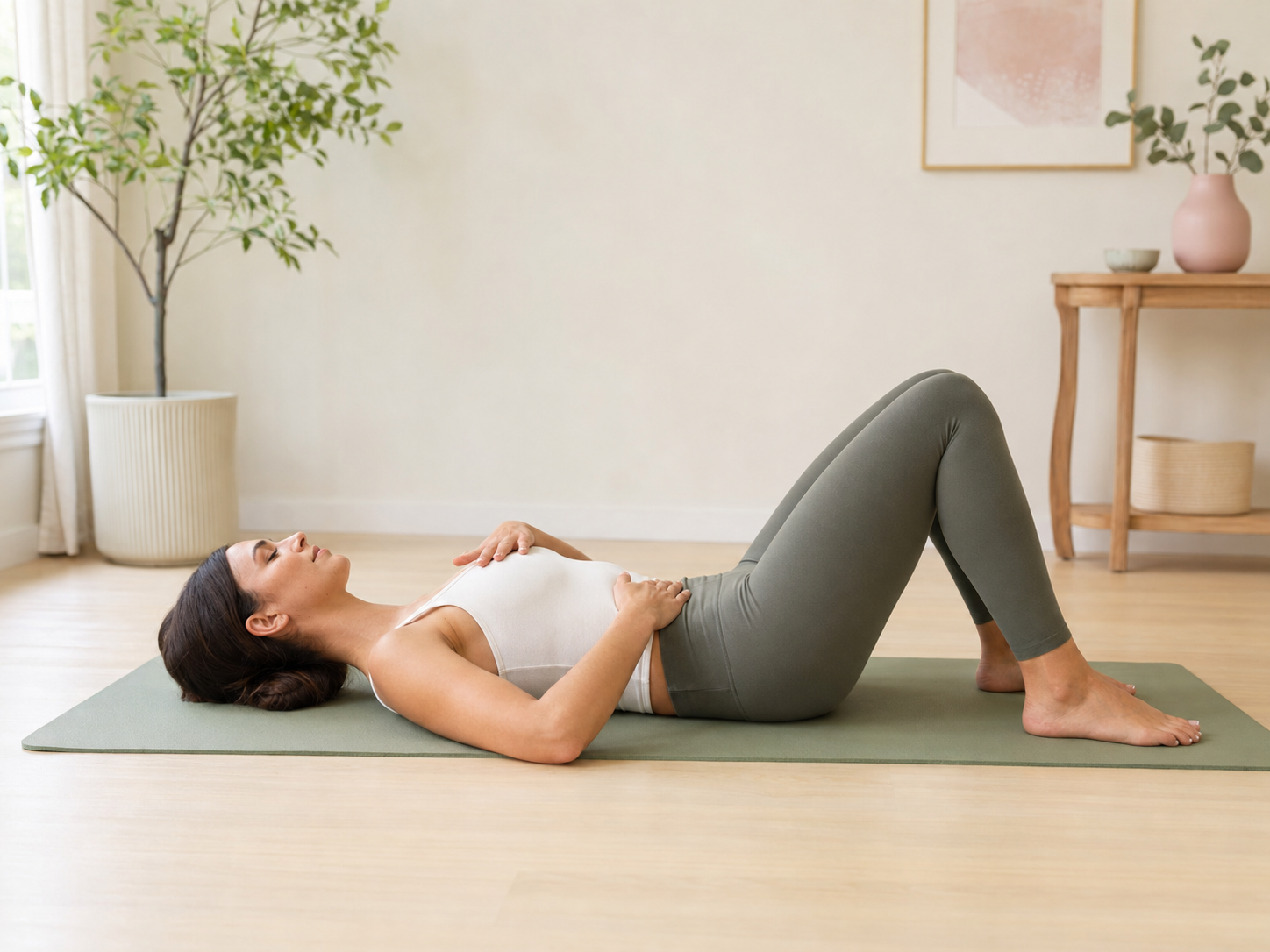
Diaphragmatic Breathing
Breathing exercises can improve coordination between the diaphragm, abdominal muscles, and pelvic floor.
-
Lie comfortably on your back with your knees bent and feet resting on the floor. Place one hand on your lower ribs and the other on your abdomen.
Inhale slowly through your nose, allowing your ribs and abdomen to gently expand while the pelvic floor softens. Exhale without forcing or straining.
Begin with five slow, relaxed breaths.
Avoid: Holding your breath, forcing your abdomen outward, or tightening your shoulders.
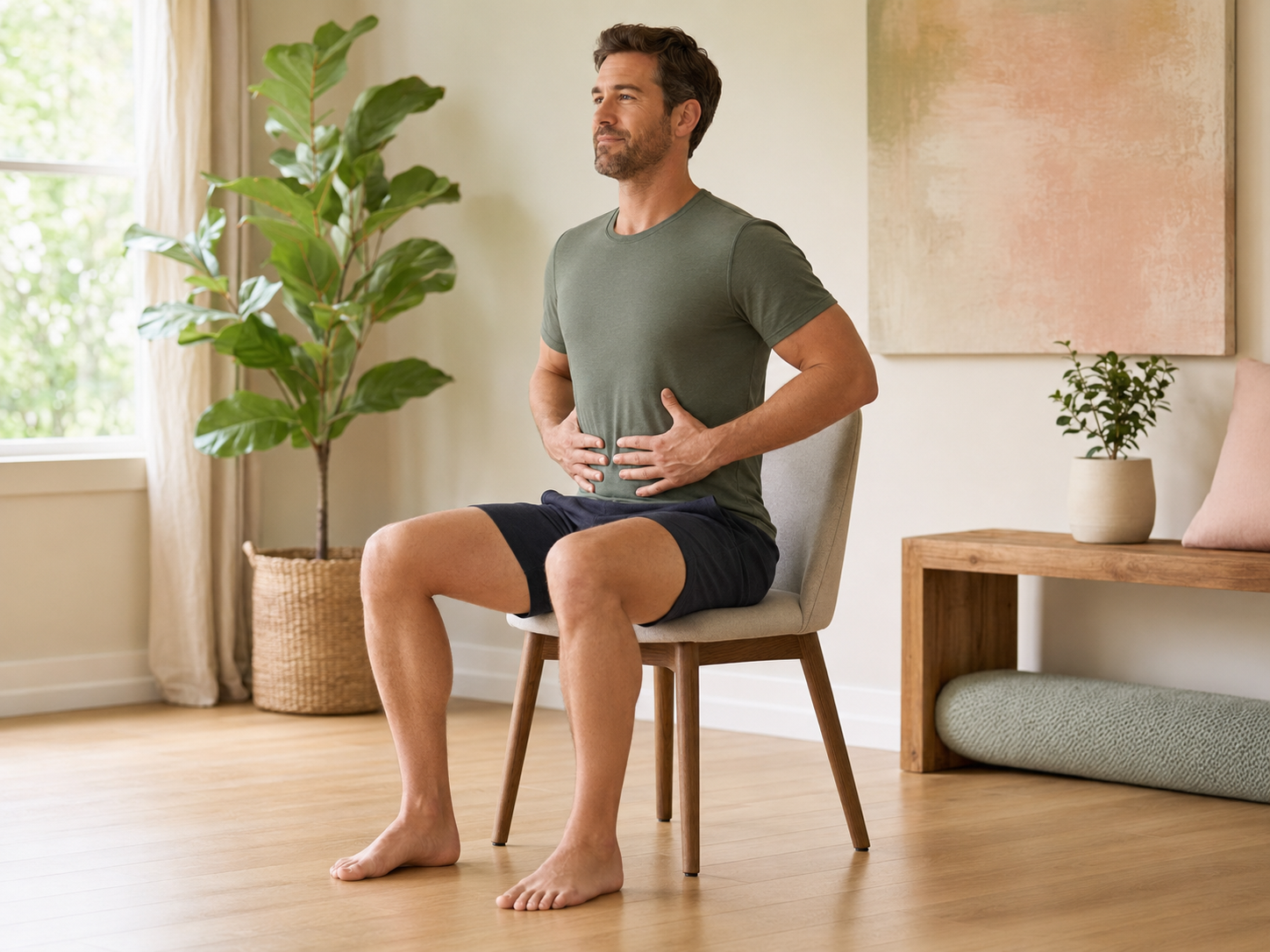
Pelvic Floor Contraction
A properly performed contraction trains the pelvic floor muscles to gently close, lift, and completely relax.
-
Sit comfortably with your feet flat on the floor and your body relaxed.
As you exhale, gently close and lift the muscles used to control urine and gas. Hold briefly while continuing to breathe, then completely release the muscles.
Begin with five gentle repetitions.
Avoid: Squeezing your buttocks or thighs, holding your breath, bearing down, or practicing repeatedly while urinating.
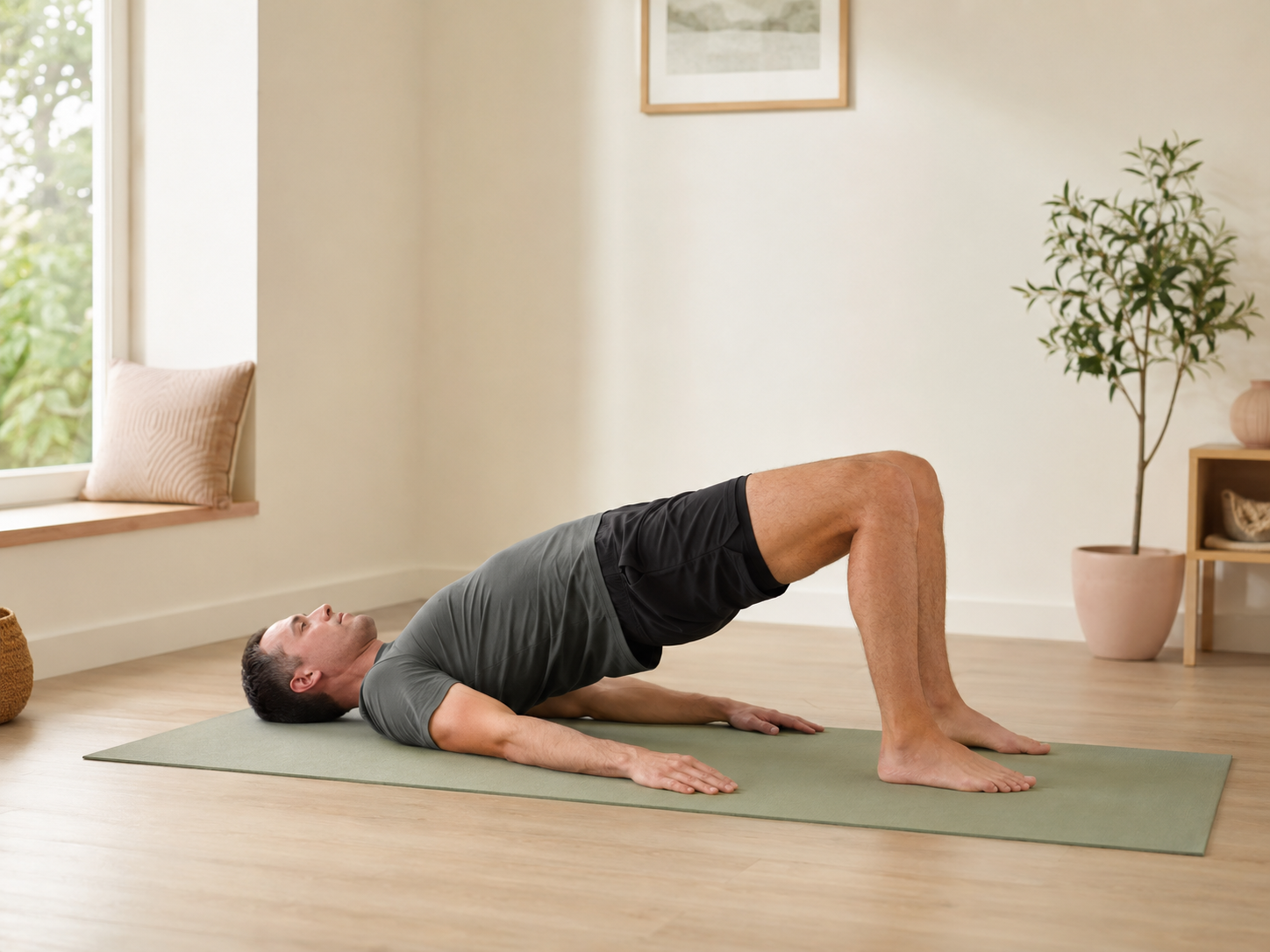
Bridge With Exhale
A bridge helps coordinate the pelvic floor with the abdominal, hip, and gluteal muscles.
-
Lie on your back with your knees bent and your feet hip-width apart.
Inhale to prepare. As you exhale, gently engage your abdominal and pelvic floor muscles and lift your hips. Keep your ribs relaxed and avoid excessively arching your back.
Lower slowly and completely relax. Begin with five to eight comfortable repetitions.
Avoid: Holding your breath, pushing through pain, arching your lower back, or allowing your knees to collapse inward.
3 Pelvic Floor Relaxation Exercises
Pelvic floor relaxation exercises may help reduce muscle tension and improve mobility, breathing, and body awareness. Move gently and stop if an exercise increases pain, pressure, or other symptoms.
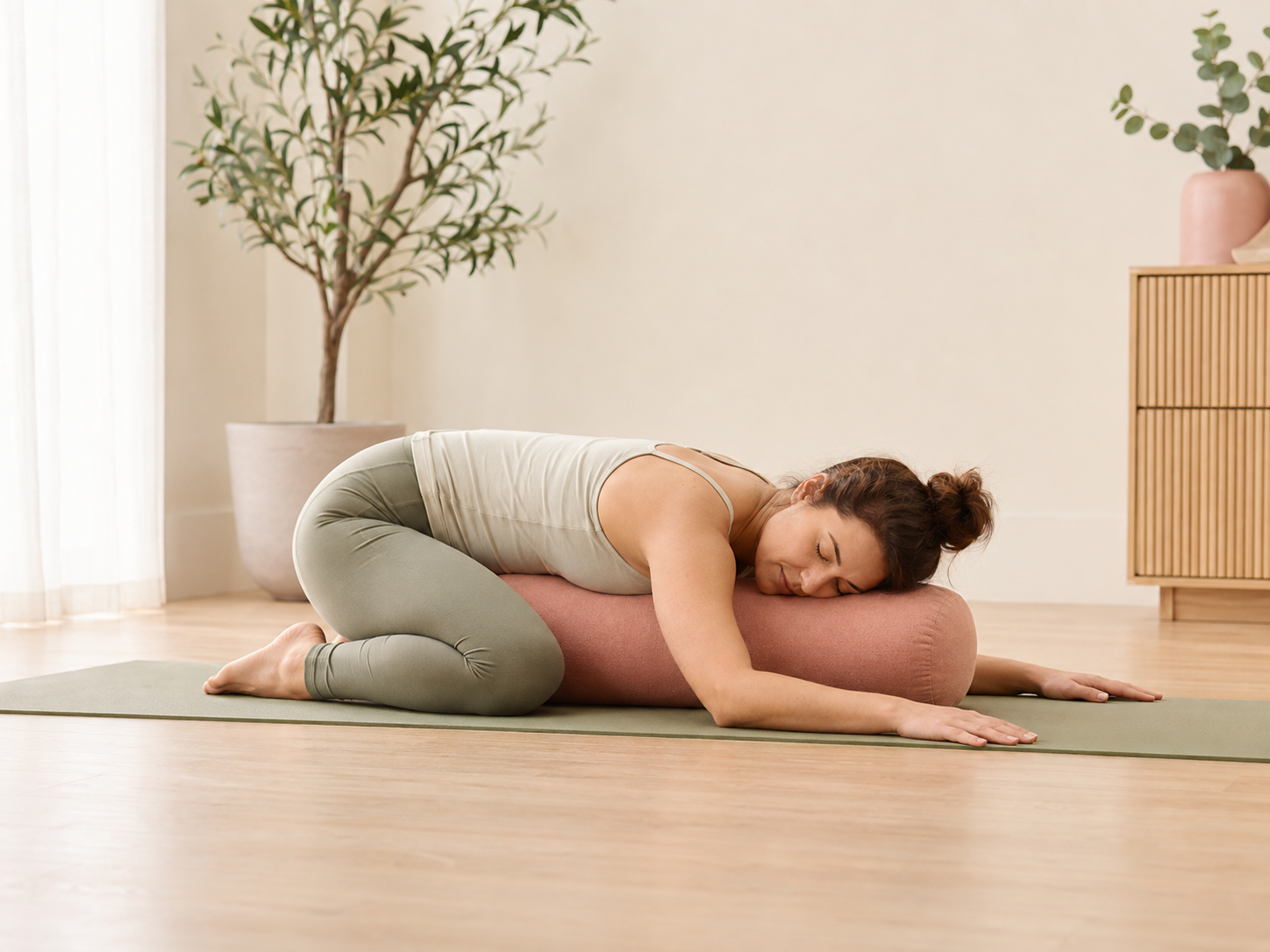
Supported Child’s Pose
This supported position encourages gentle relaxation through the pelvic floor, hips, and lower back.
-
Kneel comfortably with your knees separated and place a pillow or bolster beneath your chest.
Allow your body to relax into the support. Breathe slowly into your ribs and abdomen, letting the pelvic floor soften with each inhale.
Hold for five comfortable breaths.
Avoid: Forcing your hips backward, holding your breath, or continuing if you feel pain or increased pelvic pressure.
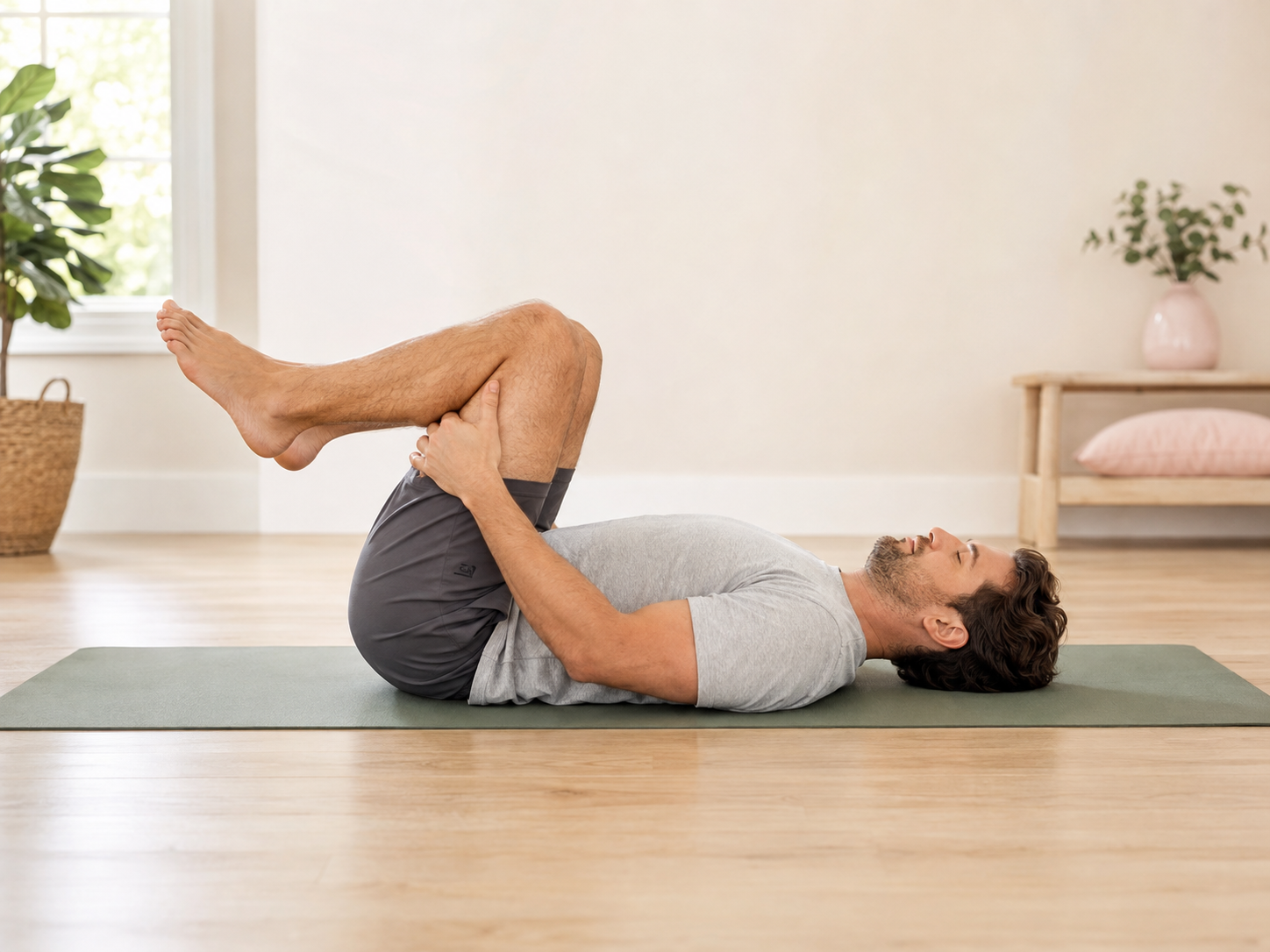
Knees-to-Chest Relaxation
This gentle position can help release tension around the hips, lower back, and pelvic floor.
-
Lie on your back and comfortably bring both knees toward your chest. Support your legs by holding behind your thighs.
Let your knees separate slightly while keeping your head, shoulders, and jaw relaxed. Take five slow breaths and allow the pelvic floor to soften as you inhale.
Avoid: Pulling forcefully on your legs, lifting your head, or pushing into hip or back pain.
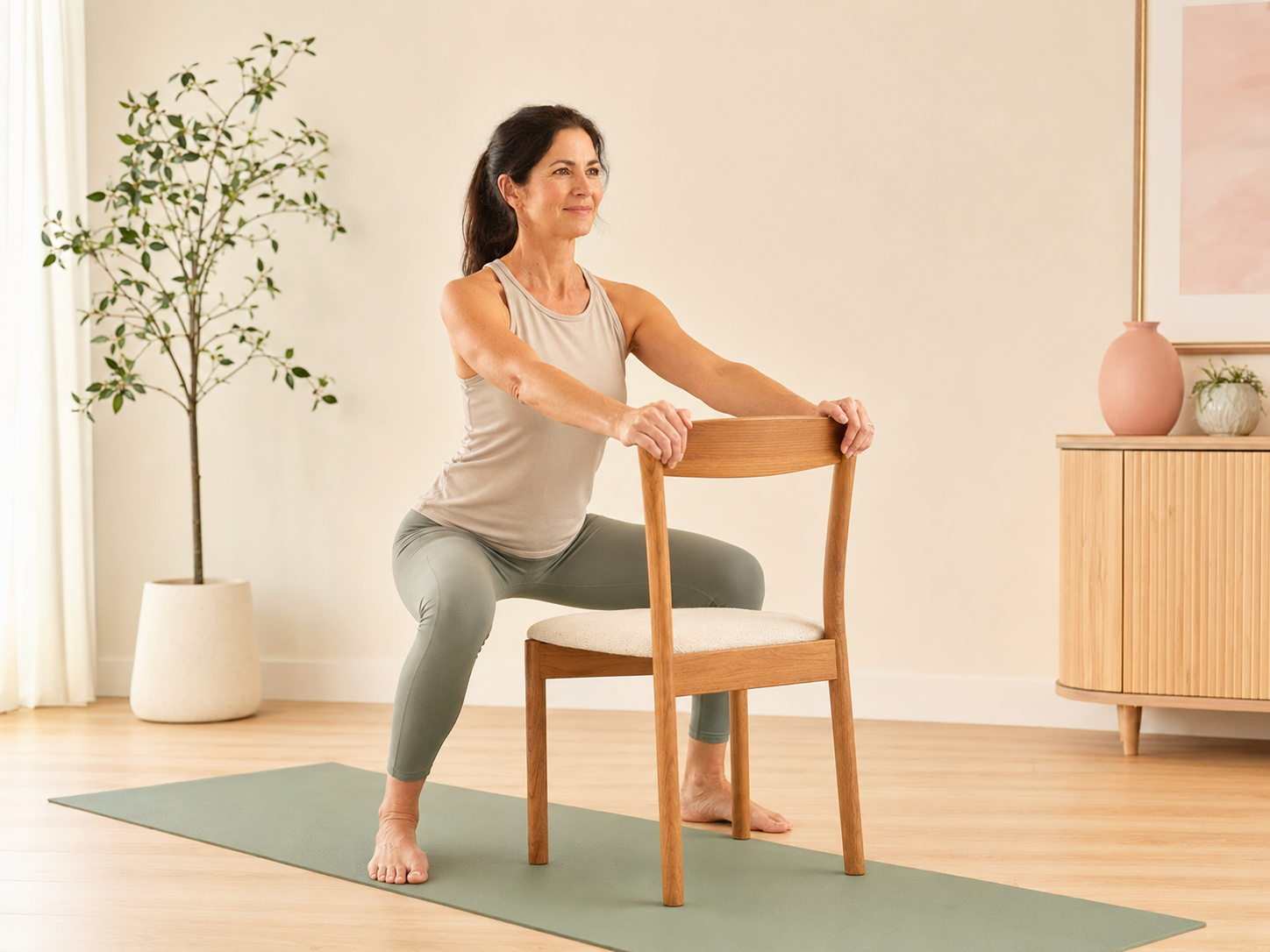
Supported Squat
A supported squat can improve hip mobility and help practice pelvic floor relaxation during movement.
-
Stand behind a sturdy chair with your feet slightly wider than hip-width apart.
Hold the chair for support and slowly lower into a comfortable squat. Keep your heels grounded and breathe steadily without straining.
Pause for two or three relaxed breaths, then return to standing. Repeat three to five times.
Avoid: Dropping too deeply, allowing your knees to collapse inward, holding your breath, or pushing through pain.
Do You Need Strengthening or Relaxation?
Pelvic floor symptoms do not always reveal whether the muscles are weak, tight, poorly coordinated—or a combination. A pelvic floor physical therapist can identify what is contributing to your symptoms and select the appropriate exercises.
You May Need Strengthening or Better Activation
Urine leakage with coughing, sneezing, or exercise
Difficulty controlling gas
Pelvic heaviness or reduced support
Weak or difficult-to-feel contractions
Leakage following prostate surgery
Reduced muscular endurance
You May Need Relaxation or Mobility
Pelvic, vaginal, rectal, or genital pain
Pain with intimacy or insertion
Urinary urgency or frequency
Difficulty starting or completely emptying urine
Constipation or straining with bowel movements
Persistent pelvic, hip, or lower-back tension
Symptoms can overlap, and tight pelvic floor muscles may also be weak. An individualized evaluation is the best way to determine which exercises are appropriate for you.
Find the Right Pelvic Floor Exercises for You
Not sure whether your pelvic floor needs strengthening, relaxation, or better coordination? A personalized pelvic floor physical therapy evaluation can identify what your body needs and provide exercises designed around your symptoms and goals.